
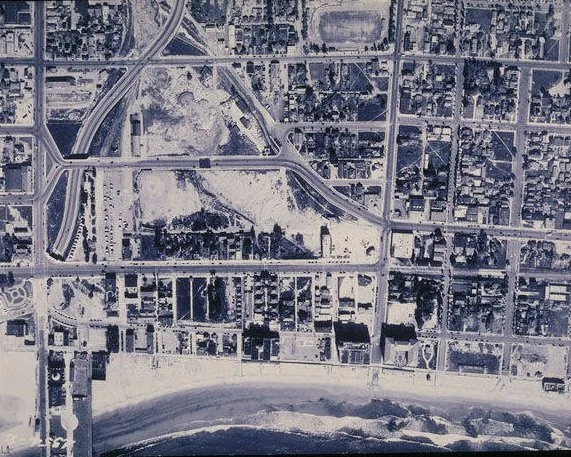
HISTORIC Belmar + SANTA MONICA BLACK HISTORY
Credit: Santa Monica History Museum, Bill Beebe Collection



Many African Americans arrived in California from southern states, during the 1880s through post World War II, seeking a better lifestyle and less anti-Black sentiment in the days of discriminatory and segregating Jim Crow laws. Some settled in South Santa Monica, in what would become the Belmar Triangle neighborhood. Nearby Phillips Chapel Christian Methodist Episcopal (CME) Church, a remodeled version of which now sits at 4th and Bay Street, was an important social and institutional center for African Americans living in the South Santa Monica neighborhoods. The community in Santa Monica thrived despite racial discrimination as African Americans built homes and opened businesses, including the La Bonita Bathhouse and Café, and enjoyed the Bay Street Beach.
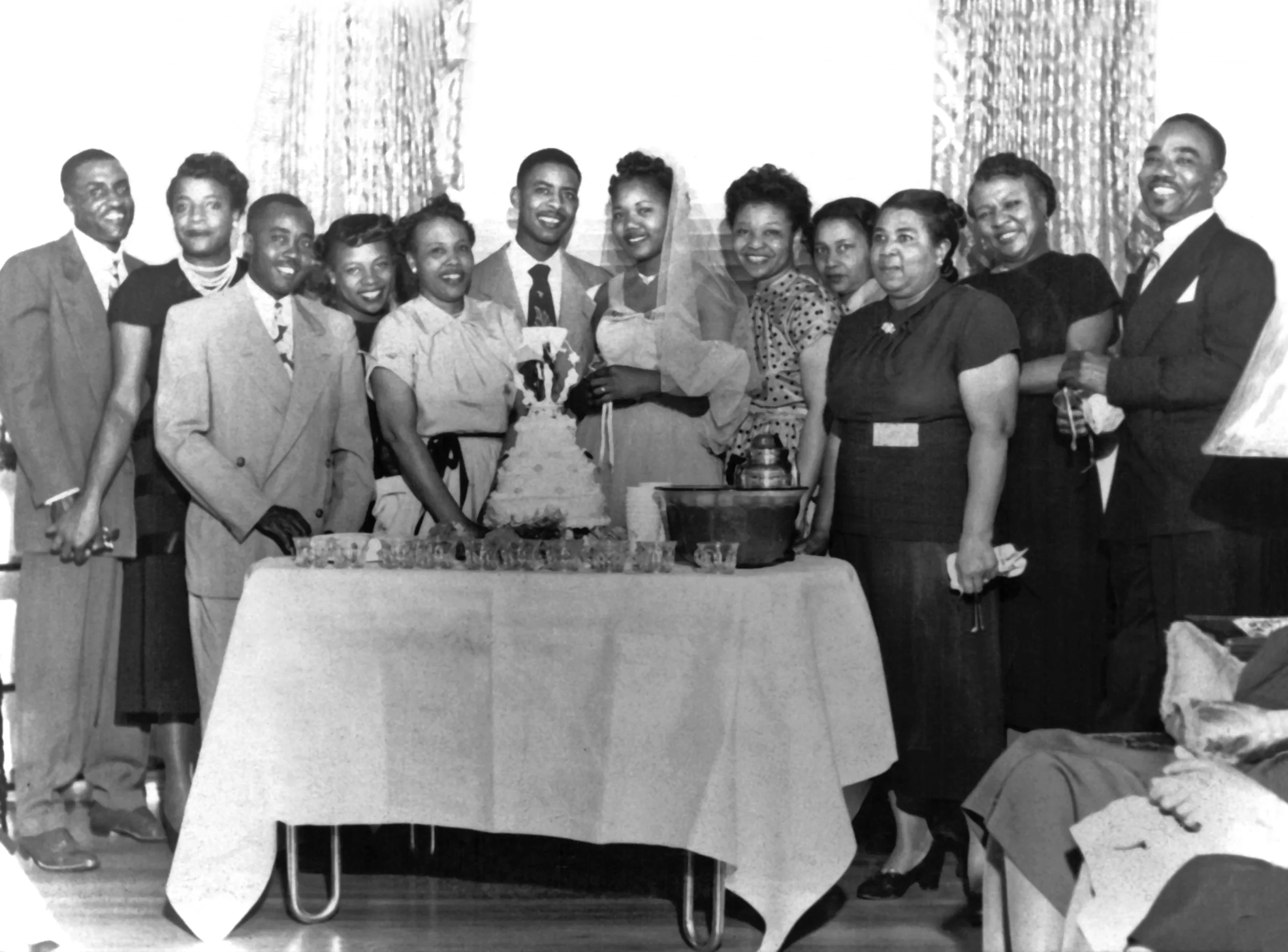
(Left to right) Leroy and Pearlie Jamison; the Rev. James Stevenson and his wife, Onnie; Ida Buchanan; newlyweds Waron and James; Odessa Billingsley; Barbara Sapp; Martha Stevenson; Rosanna Redding; and Aaron Sapp
In the 1950s, however, the area was taken through eminent domain and razed to make way for the Santa Monica Civic Auditorium. The demise of the neighborhood was in part a nationwide "urban renewal" program funded by the federal government. Today, a compelling outdoor exhibit with 16 panels chronicling the story of the African American community at Historic Belmar Park, at 4th Street and Pico Boulevard, honors this historic neighborhood.
Belmar History + Art
In 2019, the City of Santa Monica's Cultural Affairs division embarked on a collaborative project to commemorate the history of the African American residents and business owners of the Belmar neighborhood. This video provides a snippet of this year-long public art, public history, and community engagement project. (6-min watch)
Suggested Reading

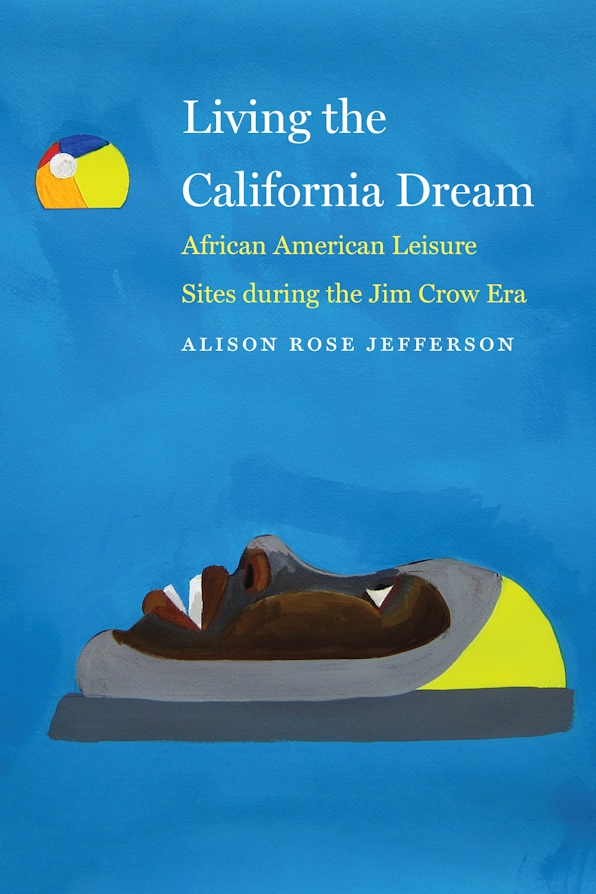
Living the California Dream: African American Leisure Sites during the Jim Crow Era (2020) is a book by historian Alison Rose Jefferson that examines how African Americans built communities, businesses, and recreational spaces in Santa Monica and other places in Southern California between 1910 and the 1960s.
LEARN MORE
The UCLA History-Geography Project partners with K-12 educators, scholars, and community organizations to build inquiry-driven, culturally responsive history education across Southern California.
Explore their curriculum for the Belmar History + Art Project.
What actions did people take in order to live freely in my community? What informed actions can we take today?
How did the African Americans of Santa Monica and Los Angeles challenge racial discrimination and segregation at beaches to form community spaces during the 1900s?
How can memorials help us understand continuity and change in our community?
What can we learn from the hidden history of African American resistance to institutionalized racism in Santa Monica?